
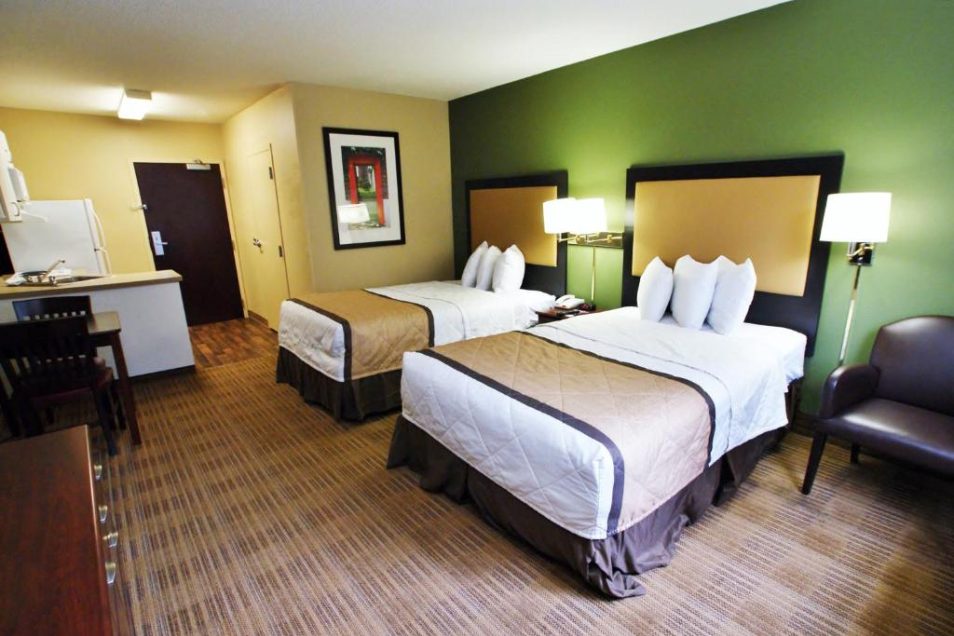
Residential stay care that still feels like a home
A warm residential setting with support available around the clock, for people who should not be living alone but do not want an institution.
Small, familiar and properly staffed
There is a point at which living alone stops being independence and starts being risk. Recognising that moment is one of the hardest things a family does, and the options on offer often make it harder, because so many of them look like hospitals.
Our residential stay care program is deliberately domestic. Comfortable rooms, shared spaces people actually use, meals cooked rather than delivered on trays, and staff who know every resident by name and by habit.
Comfort, respect and real support
Comfort
A warm, domestic environment where residents can relax, keep their own routines and feel at home rather than processed.
Respect
Individual preferences, choices and privacy are taken seriously. Residents decide how their own day goes.
Support
Attentive, non-medical assistance with daily living, available day and night from staff who know each resident well.
What daily life looks like
Mornings start when residents wake rather than when a schedule says so. Staff help with washing and dressing at whatever level each person needs, breakfast is made in the kitchen, and the day opens up from there.
There is company if you want it and quiet if you do not. Some residents spend the afternoon in the shared living space, some prefer their own room with the door open, and both of those are normal here. Meals are eaten together where possible, because a table with people around it does more good than almost anything else we provide.
Staff are on hand through the night. That is usually the detail that lets a family finally sleep properly themselves.
Included in a stay
- A furnished room with space for personal belongings
- Non-medical support available day and night
- Help with bathing, dressing, grooming and mobility
- Home cooked meals and snacks through the day
- Laundry, linens and housekeeping
- Medication reminders following your own schedule
- Shared living spaces and daily companionship
- Visitors welcome, at sensible hours
How to know whether it is the right time
There is rarely one moment that makes the decision. It is usually an accumulation: a fall that nobody saw, food going off in the fridge, a night when the front door was found open, or a family caregiver who has quietly run out of road.
If you are weighing this up, talk to us before you are in a crisis. Even if the answer turns out to be more hours of care at home rather than residential stay care, having looked at the options calmly is worth a great deal when something does happen.
Questions about residential stay
A small, home-like setting with round-the-clock support, for people who are no longer safe living alone but do not want a large institution. Residents have their own space, shared living areas, meals prepared for them and staff on hand day and night.
The support here is non-medical. Residents get help with daily living, meals, housekeeping and company, in a setting that feels domestic rather than clinical. If someone needs skilled nursing or therapy, that comes from clinicians who visit, exactly as it would at home.
Ask us when you call. Short stays are often useful while a family caregiver recovers from their own surgery, takes a holiday, or works out what the long-term plan should be. Having somewhere safe for a few weeks is sometimes all that is needed.
Yes. This is a home, and people should be able to see their family in it. We will ask you to be sensible around mealtimes and sleep, the same as you would in any household.
