
Home Safety Checklist for Aging in Place
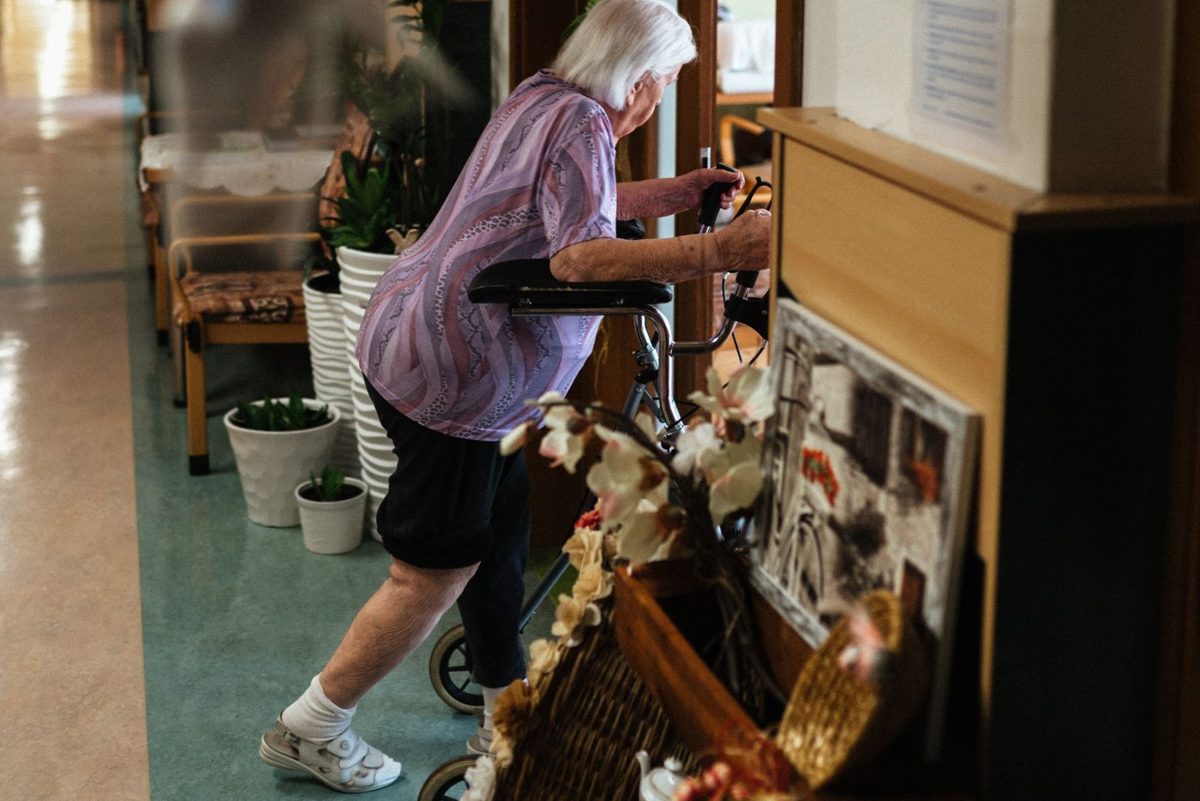
Almost every house an older adult lives in was designed for a younger version of that person. The stairs were fine at fifty five. The tub was fine before the knee. The rug in the hall has been there so long that nobody sees it any more, which is exactly the problem. Homes do not become dangerous. The gap between the house and the person widens, quietly, over years. This home safety checklist for seniors is built to close that gap, room by room.
Most of what needs fixing is cheap, fast and unglamorous. Better bulbs. A grab bar bolted into a stud. A rug in the bin. Work through the checklist below one room at a time and you can close much of that gap in a weekend, without turning anybody’s home into a hospital ward.
How to Walk Through a Home Safety Checklist for Seniors
Do not do this from a notepad in the living room. Walk the routes the person actually walks, at the times they walk them. The path from the bed to the bathroom at two in the morning is the most important route in the house, and it looks nothing in the dark like it does at noon.
Bring the person with you and ask rather than announce. Where do you hold on when you get up. Which step feels worst. What do you avoid doing when nobody is here. People will describe their own workarounds if you ask without alarm in your voice, and every workaround points straight at a hazard.
Take photographs as you go, especially of the bathroom and the stairs. You will forget details by the time you are at the hardware shop, and photos make it far easier to get siblings who live out of state to agree on what needs doing.
The Room by Room Checklist
Entry and exterior
- Fit handrails on both sides of exterior steps, securely anchored and running the full length
- Add non slip strips to porch steps and the landing, and level or ramp the door threshold
- Install a motion sensor light over the main entrance and along the walk
- Keep the path clear of hoses, planters, gravel and overgrowth
- Make the house number large and visible from the street so emergency crews find it fast
- Fit a key lockbox so family or responders can get in without breaking a door
- Arrange snow and ice clearing before winter rather than during the first storm
Hallways and stairs
- Handrails on both sides of the staircase, extending past the top and bottom steps
- Light switches at both the top and bottom of the stairs, or a motion sensor light
- Mark the edge of each step with high contrast tape, which helps with depth perception
- Remove throw rugs entirely, or secure them with double sided carpet tape
- Repair loose, worn or curling carpet and fix any loose treads
- Never store anything on the stairs, including the pile waiting to go up
- Keep hallways clear, with no furniture narrowing the route
Bathroom
If you fix one room, fix this one. Wet surfaces, hard fixtures and awkward movements make the bathroom the highest risk space in most homes.
- Install grab bars bolted into wall studs or proper anchors, by the toilet and in the shower. Suction cup bars are not grab bars.
- Never use a towel rail or soap dish as a support. They are not rated for body weight.
- Put a non slip mat inside the tub or shower and a second on the floor outside
- Add a shower chair and a handheld shower head so bathing can be done seated
- Consider a raised toilet seat or safety frame if standing up is a struggle
- Set the water heater to a maximum of 120 degrees Fahrenheit to reduce scald risk
- Change the door so it opens outward, or fit a lock releasable from outside
- Add a night light and keep the floor clear of scales, baskets and laundry
Bedroom
- Set the bed so feet rest flat on the floor when sitting on the edge
- Keep a clear path from the bed to the bathroom, with plug in night lights along it
- Put a lamp and a telephone within reach of the bed without getting up
- Move cords and cables out of the walking path and against the walls
- Provide a firm chair with arms for dressing, rather than balancing on one foot
- Lower closet rods and move daily clothing within easy reach, removing the need for a stool
Kitchen
- Move everyday dishes, food and pans to between waist and shoulder height
- Get rid of the step stool. If something requires climbing, it is in the wrong cupboard.
- Rearrange so nothing requires reaching across a hot burner
- Consider knob covers or a stove with automatic shutoff if the stove has been left on
- Keep a fire extinguisher within reach and check the date on it
- Clean grease from the hood and range, a common source of kitchen fires
- Add a non slip mat at the sink and improve task lighting over the counters
Living room
- Choose a main chair with a firm seat, arms to push up from, and a height that makes standing easy
- Keep walking paths clear and wide enough for a walker if one is in use
- Remove throw rugs, or tape them down at every edge
- Run cords along walls, never across a path and never under a rug
- Keep the remote, phone, glasses and a drink within reach of the main chair
- Make sure a lamp can be switched on from the chair without crossing a dark room
Lighting throughout
Vision changes with age, and light that is comfortable at forty is often inadequate at eighty. Lighting is the cheapest improvement on this list.
- Increase overall brightness with consistent LED bulbs that do not dim over time
- Put a switch at the entrance of every room so nobody crosses a dark space to reach one
- Add motion sensor lights in hallways, the bathroom and the garage
- Use low, glare free night lights on the bed to bathroom route
- Reduce glare from bare bulbs and windows with shades or diffusers
- Replace burned out bulbs the week they go, not the month they go
- Keep a working torch in the bedroom and the kitchen for outages
Emergency access and alarms
- Test smoke and carbon monoxide alarms monthly, fitting sealed ten year battery units where possible
- Post emergency contacts, the physician and the pharmacy in large print by the phone
- Keep a current medication list on the refrigerator where emergency crews will look
- Consider a wearable medical alert device, and make sure it is worn rather than left on a dresser
- Keep a charged mobile phone within reach in the main rooms, not only in a handbag
- Make sure at least two exits are usable and not blocked by storage
- Give a trusted neighbour a key or lockbox code, and tell the family who has it
The Fixes on This Home Safety Checklist Worth Doing First
If the full list feels like too much, start here. These deliver the most protection for the least money and effort.
- Grab bars in the bathroom, properly anchored, by the toilet and in the shower
- Remove every throw rug, starting with the hallway and the bathroom
- Brighter bulbs everywhere, plus night lights on the bed to bathroom route
- Handrails on both sides of every set of stairs, inside and out
- A shower chair and handheld shower head, so bathing can happen sitting down
- Test the smoke and carbon monoxide alarms and post emergency information in large print
The rug in the hallway has been there for twenty years. That is not a reason to keep it. It is the reason nobody sees it.
What a Checklist Cannot Do
Home modifications support safer movement and help reduce the risk of falls, but no checklist, product or agency can guarantee a fall will not happen. Be sceptical of anyone who promises otherwise. Balance, vision, medication side effects and underlying conditions all play a role, and those are matters for a physician rather than a hardware problem.
If there has already been a fall, or balance has changed noticeably, ask the doctor about a referral for a physical or occupational therapy evaluation. An occupational therapist can assess the home clinically in a way a general checklist cannot. Use this list as the first pass, not the last word.
Getting Help With the Walkthrough
Cater2U Home Care Service provides non medical home care across Indianapolis, Greenwood and the surrounding communities in Marion and Johnson counties, and home safety monitoring is part of what our caregivers do on ordinary shifts. Someone in the house twice a week notices the bulb that went out, the rug that crept back and the walker set at the wrong height, which is how small hazards get fixed before they become incidents.
We also operate a durable medical equipment supply arm, so families working through this list can sort out grab bars, shower chairs, raised toilet seats and walkers in one place. If you would like help with a walkthrough, or are not sure which equipment fits your parent’s situation, call 463-277-4092.
Related reading
Common questions
Where should grab bars be installed in a senior's bathroom?
The two highest value locations are beside the toilet, to assist sitting and standing, and inside the shower or tub, positioned for both entering and washing. A vertical bar at the shower entrance helps with stepping over the threshold. Bars must be bolted into wall studs or rated anchors. Suction cup bars and towel rails are not safe substitutes.
Are throw rugs really that dangerous?
They are one of the most common trip hazards in the homes of older adults. Edges curl, backings wear smooth, and rugs slide on hard floors, particularly when someone shuffles rather than lifts their feet or uses a walker. The safest option is to remove them. If one has to stay for sentimental reasons, secure every edge with double sided carpet tape.
What temperature should the water heater be set to?
A maximum of 120 degrees Fahrenheit is the commonly recommended setting for households with older adults. Skin becomes thinner with age and reaction time can slow, so water that would only be uncomfortable for a younger adult can cause a serious scald. Most water heaters have an adjustable thermostat dial that takes a minute to change.
Do I need a professional home safety assessment?
A careful family walkthrough covers most of what matters. A professional evaluation is worth arranging if there has already been a fall, if balance or vision has changed noticeably, or if significant modifications such as ramps or a walk in shower are being considered. Ask the physician about a referral to an occupational therapist for a clinical home assessment.
Read next

Why Non Medical Home Care Matters More Than Ever
Non medical home care fills the gap between managing alone and moving out. Here is what it covers, how it differs from skilled nursing, and how to know when it is time.
Top 10 Daily Living Activities Caregivers Help With
Bathing, meals, mobility, transportation and more. Here are the ten daily living activities caregivers support most, and the line non medical care never crosses.