Why Non Medical Home Care Matters More Than Ever

Most families do not start looking for home care because of one dramatic moment. It starts smaller than that. A parent who cooked dinner every night for forty years is eating cereal at seven in the evening. The laundry basket never quite empties. There is a new scrape on the car and nobody wants to talk about where it came from. Individually, none of it is an emergency. Together, it is a pattern.
Non medical home care sits exactly in that gap. It is not a hospital, not a nursing home, and not a nurse coming out to change a dressing. It is practical, hands on help with the ordinary business of daily life, delivered where someone already lives. For a growing number of families across Indianapolis and Greenwood, it is the difference between a parent staying in their own home and having to leave it.
What Non Medical Home Care Actually Is
Non medical home care is personal and household support provided by a trained caregiver in a client’s own home. The word non medical is doing real work there. It means the caregiver supports daily living rather than performing clinical tasks. No injections, no wound care, no therapy. In practice, a shift usually includes some combination of the following:
- Help with bathing, showering, grooming, dressing and toileting
- Meal planning, cooking and help with eating when that is needed
- Light housekeeping, dishes, bed making, laundry and changing linens
- Medication reminders and cues to follow a routine already set by the doctor
- Help standing, walking, transferring and moving safely around the house
- Rides to appointments, the pharmacy, church or the grocery store
- Conversation, cards, music, walks and other plain human company
- A watchful eye on the home, from loose rugs to expired food in the refrigerator
It is also flexible in a way that institutional care is not. Four hours twice a week, every morning, or overnight. Families often start small and build from there once they see what actually helps.
How It Is Different From Home Health and Skilled Nursing
This is the most common point of confusion, and it matters because the two services are ordered and paid for differently. Home health care is clinical. It is typically ordered by a physician, delivered by nurses or therapists, and focused on recovery from a specific event such as surgery or a hospital stay. It is short term and goal driven.
Non medical home care is supportive. No physician order is required, and it is not tied to a diagnosis or a recovery timeline. It can continue for years, scaling up or down as needs change. The goal is not to treat anything. The goal is to make ordinary life workable.
- Home health treats a condition. Non medical home care supports a person.
- Home health visits are short and built around a clinical task. Non medical shifts are measured in hours and built around a daily routine.
- Home health ends when recovery goals are met. Non medical care continues as long as it is useful.
- Home health is delivered by licensed clinicians. Non medical care is delivered by trained caregivers and aides.
One line worth remembering: a caregiver can remind your mother it is nine o’clock and time for her pills, bring the water and make sure she is comfortable. A caregiver cannot open the bottle and put the pills in her mouth. That is administration, and it belongs to the family or a licensed clinician.
The two work well side by side. It is normal for a home health nurse to visit twice a week after a discharge while a non medical caregiver covers mornings and evenings for bathing, meals and safety.
Why More Families Are Asking About It
Demand for in home support has been climbing steadily, and the reasons are not mysterious. Three of them show up in almost every kitchen table conversation.
People are living longer with needs that are not medical
A great many older adults are not sick in any acute sense. They are less steady, slower, more tired, more forgetful about the stove. Medicine has gotten very good at extending life. It has not made daily living easier. That gap is where caregivers work.
Families no longer live down the street
The adult child who would once have dropped in daily now lives two states away, or lives twenty minutes away and works full time. Love has not decreased. Availability has. Paid caregiving covers hours family genuinely cannot, and lets the family go back to being family rather than exhausted staff.
Almost nobody wants to move
Ask an older adult where they want to spend the next ten years and the answer is overwhelmingly the house they are already in. Home care is the practical mechanism that turns aging in place from a wish into a plan.
How It Supports Daily Living
Care professionals divide daily tasks into two groups. Activities of daily living, or ADLs, are the basic self care tasks: bathing, dressing, grooming, toileting, eating and moving from one place to another. Instrumental activities of daily living, or IADLs, are the tasks that let a person run a household: cooking, cleaning, laundry, shopping, transportation and keeping track of appointments and bills. Most people lose IADLs first. Someone who still showers independently may have stopped cooking real meals months ago, which is why a proper assessment matters more than a package name on a brochure.
The Case for Staying Home
There is a practical argument for home care and an emotional one, and the emotional one usually decides it. A house holds routine. The coffee is in the same cupboard it has been in for thirty years. The dog is there. The neighbour waves. None of this is sentimental fluff. Familiar environments are genuinely easier to navigate, particularly for someone whose memory is not what it was.
Home is not just where someone lives. It is the last place where they are still in charge.
There is also the matter of control. In a facility, the schedule belongs to the building. At home, a person chooses when to get up, what to watch, who comes in the door. For many older adults that is the loss they fear most. Bringing support in, rather than moving out, protects it.
How to Know It Is Time
There is rarely a single signal. There is a cluster. If several of these are true, it is worth having a conversation:
- Weight loss, an empty refrigerator, or food well past its date
- The same clothes worn for days, or a clear change in grooming and hygiene
- Unopened mail piling up, or bills paid twice or not at all
- Bruising, unexplained falls, or furniture used to steady a walk across the room
- Missed medication, or pill organisers still full at the end of the week
- Withdrawing from church, clubs, friends or phone calls
- New dents on the car, or getting lost on a familiar route
- A family caregiver who is exhausted or falling behind at their own job
That last bullet counts. Caregiver burnout is a legitimate reason to bring in help, not a failure. Families who wait until they are depleted usually end up making a bigger and faster decision than they wanted to.
How Cater2U Works
Cater2U Home Care Service provides non medical home care across Indianapolis, Greenwood and the surrounding communities in Marion and Johnson counties. The process is deliberately unhurried.
- A conversation, usually by phone, about what is actually happening day to day
- An in home assessment to look at the person, the house and the routine together
- A written care plan covering which tasks, which days and which hours
- Matching a caregiver to the client, considering temperament as much as skill
- Regular check ins, with the plan adjusted as needs change
We also operate an Adult Day Center, a Residential Stay program and a durable medical equipment supply arm, so families do not have to start over with a new provider every time the situation shifts. If you are weighing options for a parent, or simply not sure what level of help is appropriate yet, call 463-277-4092. A conversation costs nothing and is often enough to make the next step obvious.
Related reading
Common questions
What is the difference between non medical home care and home health care?
Home health care is clinical. It is ordered by a physician, delivered by nurses or therapists, and usually short term while someone recovers from surgery, a fall or a hospital stay. Non medical home care needs no physician order and covers daily living: bathing, dressing, meals, housekeeping, transportation and companionship. Many families use both at the same time.
Can a non medical caregiver give my mother her medication?
No. Non medical caregivers provide reminders and cues only. A caregiver can tell her it is time, bring water, hand her the organiser and make sure she is settled and comfortable. Opening the bottle and placing pills in her mouth is medication administration, and that must be done by the client, a family member or a licensed clinician.
How many hours of home care does someone usually need to start with?
It varies widely, and starting small is normal. Many families begin with a few hours a few days a week, often covering the hardest parts of the day such as mornings, bath days or evenings. Hours can be increased as needs change. A proper in home assessment will point to where the real gaps are before you commit to a schedule.
Does Cater2U serve areas outside Indianapolis?
Yes. Cater2U Home Care Service has locations in Indianapolis and Greenwood and serves Marion and Johnson counties, including Beech Grove, Lawrence, Speedway, Southport, Franklin, Whiteland, Bargersville, Plainfield, Avon, Fishers and Carmel. Call 463-277-4092 to check coverage for a specific address.
Read next
Top 10 Daily Living Activities Caregivers Help With
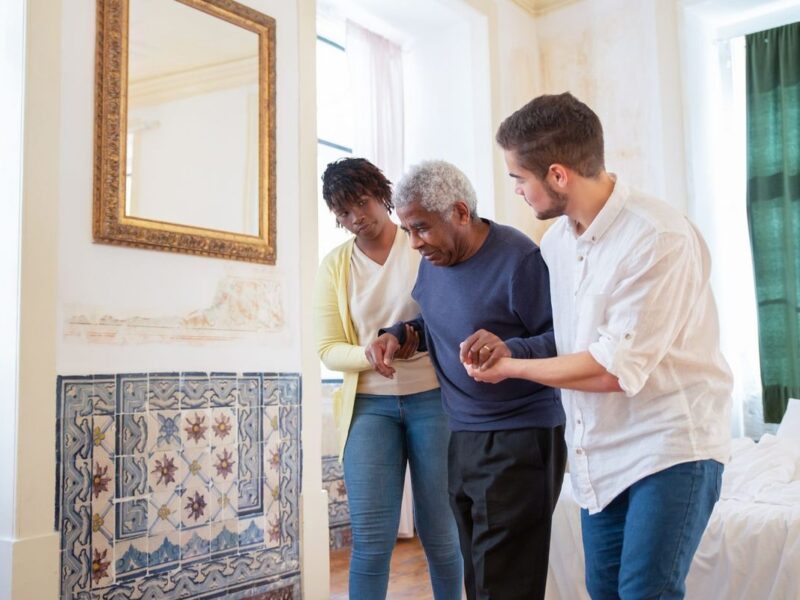
Bathing, meals, mobility, transportation and more. Here are the ten daily living activities caregivers support most, and the line non medical care never crosses.
Home Safety Checklist for Aging in Place
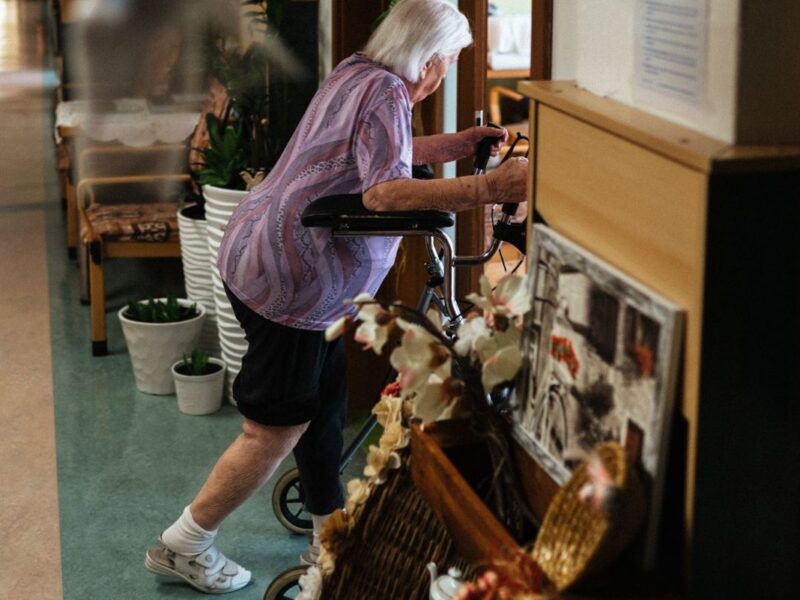
Most homes were built for the people their owners used to be. This room by room checklist shows what to change so a house keeps working as its owner ages.